Malikha
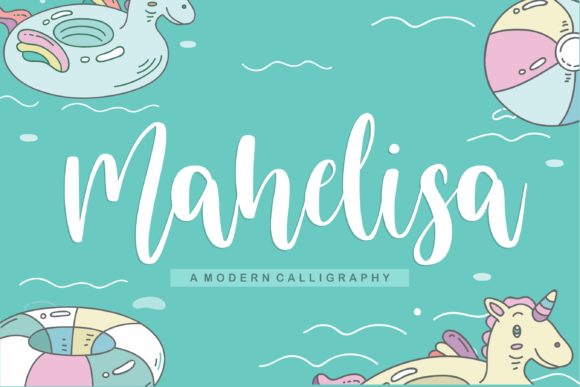
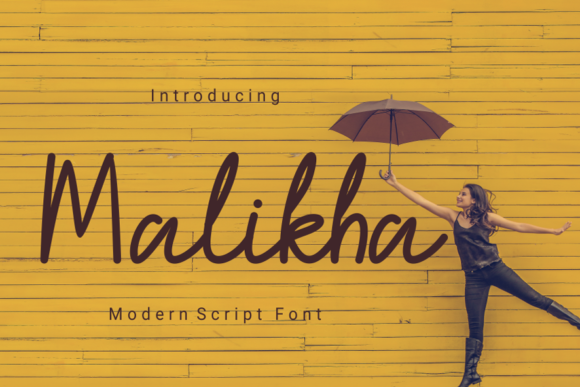
Malikha is a script amp font that immediately draws attention with its fluid, elegant strokes. It feels like a handwritten signature given a refined polish—soft yet confident, warm yet professional. The first impression is one of sophistication and approachability, making it ideal for projects that need to balance creativity with clarity.
The letterforms are well-proportioned, with a natural flow that guides the eye smoothly from one character to the next. This makes Malikha feel both personal and polished, which is a rare combination in script fonts. Its visual personality leans toward modern typography, offering a fresh take on traditional script styles. It’s not overly ornate, but it still carries a sense of craftsmanship that can elevate any design.
In real-life work situations, Malikha shines in logo design, where its elegance can make a brand feel more refined and memorable. It also works well in editorial design, especially for headlines or pull quotes that need to stand out without overwhelming the reader. For packaging design, Malikha adds a touch of luxury, particularly when used on premium products or in minimalist layouts.
However, Malikha is not a font to use carelessly. Its decorative nature means it should be reserved for specific applications. Large headlines, short phrases, brand marks, and quotes are all excellent places to apply this font. It’s also great for social media graphics, where a visually appealing text can capture attention quickly. But in longer blocks of text, such as body copy or supporting text, it may become difficult to read, especially at smaller sizes.
Readability is a key consideration when using Malikha. While it looks great in large formats, it can struggle in small sizes due to its intricate details. Test it in black and white to ensure it remains legible under different lighting conditions. Check how it performs at 12px and below, as many digital platforms and print materials require fonts to be readable in tight spaces.
When pairing Malikha with other typefaces, consider its role in the hierarchy. It works best as a display font, complementing serif or sans serif fonts for contrast. For example, pairing it with a clean sans serif like Montserrat or a classic serif like Georgia can create a balanced and professional look. Avoid using it alongside other script or handwritten fonts, as this can lead to visual clutter and reduce readability.
Malikha’s impact on brand consistency is significant. It can help establish a strong visual identity, especially when used consistently across marketing materials, websites, and merchandise. However, it’s important to maintain a clear distinction between its use in primary branding elements and secondary applications. Overuse can dilute its effectiveness and confuse the audience.
Audience trust and recognition are influenced by how well a font aligns with the brand’s values. Malikha’s elegant yet accessible style makes it suitable for brands that want to appear both creative and trustworthy. It can enhance professionalism while maintaining a friendly tone, which is essential for engaging with a wide range of audiences.
For web design, Malikha should be used sparingly. It’s best suited for headers, buttons, or call-to-action text rather than long-form content. Ensure it’s properly embedded and optimized for performance, especially when used in digital ads or social media graphics. Testing it on different devices and screen sizes will help confirm its versatility.
Designers should also consider the commercial licensing before using Malikha for client or business purposes. Confirm that it’s appropriate for the intended use, whether it’s for printable design, digital product creation, or commercial font assets. Always review the licensing terms to avoid any potential issues.
In summary, Malikha is a versatile creative font that offers a unique blend of elegance and approachability. It’s perfect for projects that require a touch of sophistication without sacrificing readability. Whether it’s for a logo, a poster, or a social media graphic, Malikha has the potential to make a strong visual statement. Just remember to use it strategically, test it thoroughly, and pair it wisely to achieve the best results.